
The Allure of Gambling: Understanding Attraction
The allure of gambling is intricately tied to human psychology, drawing individuals into the captivating world of casino games. These games are meticulously designed to ensnare players with vibrant visuals, captivating sounds, and an inviting atmosphere that heightens excitement and anticipation. The sensory experiences created within casinos can elicit emotional responses that compel players to engage with the games. This effect can primarily be attributed to the brain’s reward system, which releases dopamine—the “pleasure hormone”—as players anticipate potential rewards, especially when exploring options like pokies online nz that offer unique experiences and excitement. Consequently, players may become enamored with the thrill of playing, often disregarding the inherent odds and risks involved in gambling.
A critical aspect of this allure is the phenomenon of “near misses.” When players come perilously close to winning, it fosters a sense of almost success, which can significantly enhance their desire to continue playing. This psychological tactic is especially evident in slot machines, where the design often gives players the impression that they are just one step away from hitting the jackpot. The brain interprets these near misses as positive reinforcement, motivating players to keep spinning the reels in hopes of a win. Understanding this dynamic is essential for grasping why many individuals find it challenging to walk away from the captivating environment of casinos.
Moreover, the social element of casino games adds another layer to their appeal. Many individuals relish the communal experience that accompanies games like poker or roulette, where interaction with fellow players creates a more immersive atmosphere. This social engagement amplifies the excitement and can extend gaming sessions. Players share in the thrills and disappointments together, fostering a sense of camaraderie that enhances the overall gaming experience. Thus, the combination of social connection and sensory stimulation plays a significant role in the drawing power of casino games.
The Role of Cognitive Biases
Cognitive biases play a pivotal role in shaping gambling behavior, often leading players to make decisions that defy logical reasoning. A prevalent bias is the illusion of control, which leads individuals to believe they can influence the outcomes of games that are primarily based on chance. For instance, a player might convince themselves that their betting strategy or choice of numbers can sway the results of a game. This cognitive distortion can result in prolonged playing times and increased financial losses, as players chase wins based on unfounded beliefs and unrealistic expectations.
Another significant cognitive bias is confirmation bias, which occurs when players favor information that supports their pre-existing beliefs while ignoring contradictory evidence. This means that a gambler may remember their wins with greater clarity than their losses, reinforcing the notion that they are “due” for a win. This selective memory can perpetuate the cycle of gambling, leading to unrealistic expectations regarding the likelihood of success and complicating the psychological landscape of casino gaming.
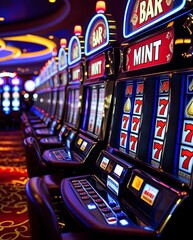
Furthermore, the “gambler’s fallacy” is a crucial concept for understanding how players perceive chance. This fallacy is the mistaken belief that past outcomes can influence future results in independent events, such as dice rolls or spins of the roulette wheel. For example, if a player witnesses several consecutive losses, they might incorrectly assume that a win is imminent. This flawed reasoning can lead to chasing losses and engaging in irrational betting behavior, highlighting the complex interplay between cognitive biases and gambling psychology.
Emotional Triggers and Decision Making
Emotions are a powerful driving force in decision-making processes related to casino games. High-stakes situations often elicit intense emotional responses, significantly influencing how players approach their bets. For instance, excitement can prompt impulsive decisions, causing individuals to wager more than they initially intended. The adrenaline rush associated with gambling can create a euphoric state, enabling players to become fully engrossed in the moment, frequently at the expense of rational thinking and self-control.
Conversely, negative emotions such as frustration or anxiety can also have a profound impact on gambling behavior. When players experience a streak of losses, they may become increasingly desperate to recover their losses, leading to reckless betting. This emotional rollercoaster can create a cycle of highs and lows that keeps players glued to the gaming table or machine. By understanding these emotional triggers, casinos can craft environments that tap into both positive and negative feelings, thereby enhancing the overall experience while encouraging longer play sessions.
Additionally, the design of games contributes significantly to emotional engagement. Elements such as sound effects, celebratory animations, and immersive themes can evoke feelings of excitement and anticipation. For instance, activating a bonus round in a slot machine may elicit cheers and excitement among players, reinforcing their emotional connection to the game. This understanding of emotional responses is crucial for casinos seeking to create experiences that keep players engaged and encourage repeat visits.
Behavioral Reinforcement and Habit Formation
Behavioral reinforcement is a fundamental component in the psychology of casino games. By employing variable rewards, casinos cultivate an environment where players are perpetually motivated to return. This approach mirrors operant conditioning, wherein behaviors are encouraged through consistent feedback. The intermittent nature of winnings keeps players engaged for longer periods, as they remain uncertain of when the next big win might occur. This unpredictability serves to reinforce gambling behavior, often leading to habitual gaming.
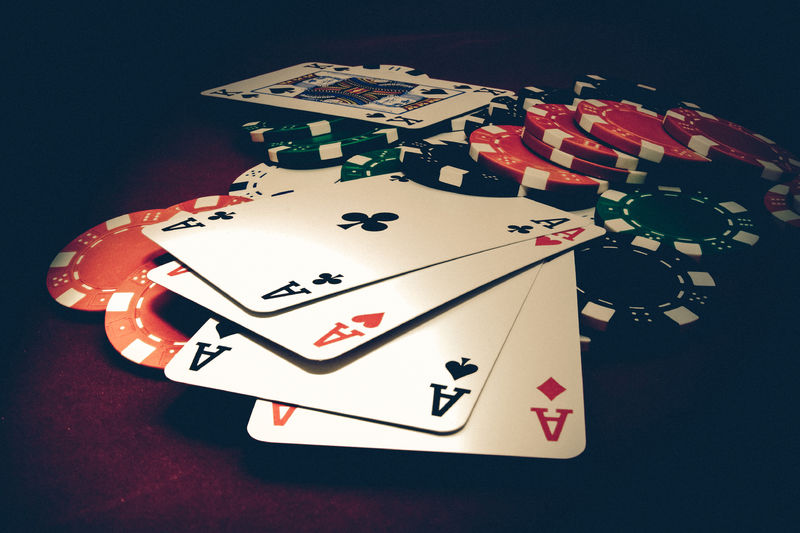
The concept of instant gratification also plays a significant role in gambling psychology. Players frequently seek immediate rewards, and casino games are expertly designed to deliver quick payoffs. For instance, slot machines provide immediate feedback in the form of wins or losses, catering to the human tendency for instant rewards. This can create a cycle of continuous play, as the immediate pleasure derived from a win often overshadows the rational acknowledgment of long-term losses.
Habit formation in gambling can occur rapidly, often leading to compulsive behaviors. The pleasure linked to winning can drive individuals to repeat the experience, evolving into a routine where players consistently return to the casino. For some, this can escalate into problematic gambling behavior, resulting in adverse effects on their personal and financial lives. Understanding the mechanisms of reinforcement and habit formation can ultimately aid in addressing gambling addiction and promoting healthier gaming practices.
Discovering More Insights on Casino Psychology
For individuals intrigued by the psychological dimensions of casino gaming, a wealth of resources is available to enhance your understanding. Numerous studies and scholarly articles delve into the intricate relationship between human psychology and gambling behaviors. Gaining knowledge about these dynamics can enrich your perspective on gambling, whether driven by personal enjoyment or academic curiosity.
Exploring the psychology behind casino games can also shed light on how operators design their environments to maximize player engagement. By comprehending these strategies, players can become more aware of the psychological tactics employed, empowering them to make informed decisions when gambling. Armed with this insight, individuals can approach gaming responsibly while still savoring the exhilarating experiences offered by casinos.
Ultimately, the interplay of psychology, emotion, and behavior in casino games is a compelling subject to explore. Engaging with this content can foster responsible gaming practices and encourage a healthier relationship with gambling, ensuring that it remains a source of enjoyment rather than a detrimental habit. Discovering reputable websites dedicated to this field can provide valuable insights and further information on the complexities of casino psychology.